


Ringo Reiner: A Life of Quiet Leadership
Leadership doesn't always announce itself.
Sometimes it appears in the responsibilities a person accepts, the organizations they support, and the confidence others place in them.
Richard “Ringo” Reiner held leadership positions in several San Antonio institutions over the course of his life.
He served as president of Oak Hills Country Club, held a leadership role at the Town Club, and participated in the work of Kiwanis.
These were different organizations, with different purposes.
But together, they reveal another dimension of Ringo's life.
A man who did more than belong.
He took part.
A Responsibility to Others
By the time Ringo became involved in community leadership, he had already experienced responsibilities far removed from the ordinary.
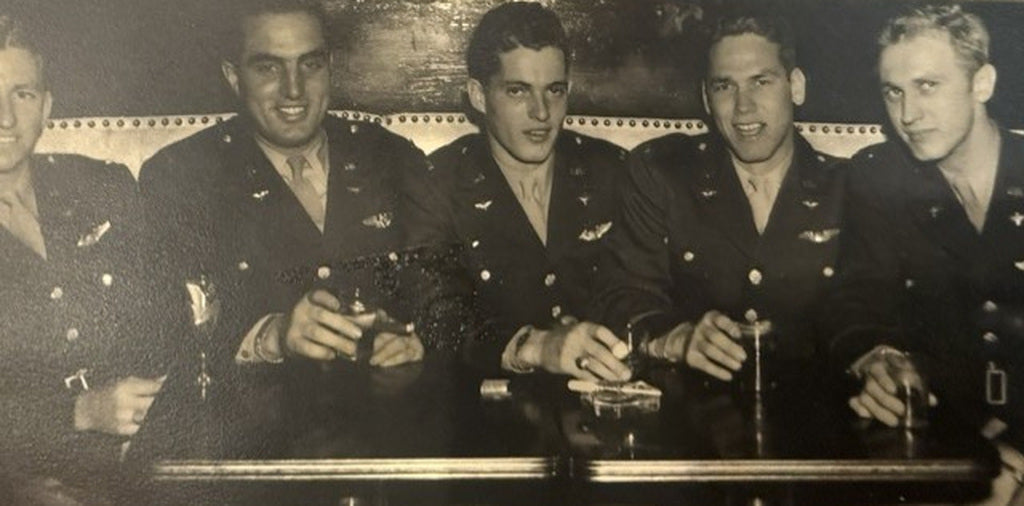
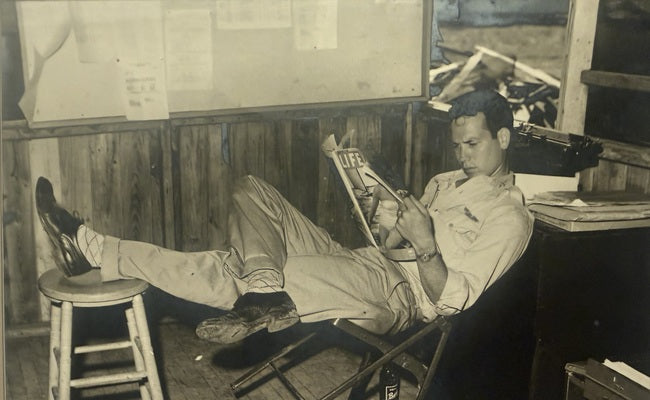
During the Second World War, he served as a military aviator in Europe, flying combat missions and earning the Air Medal.
Following the war, he built a career in San Antonio's jewelry business.
He joined Gildemeister's Jewelers around 1950, became a certified gemologist in 1954, and eventually became a co-owner of the business.
The work demanded knowledge, precision, and judgment.
But Ringo's involvement in San Antonio extended beyond his professional responsibilities.
He also gave his time to organizations that brought people together.
The Town Club
In February 1958, a San Antonio newspaper identified Ringo as chairman of The Town Club of San Antonio.
The Town Club was part of the city's social life, providing a place where people gathered and maintained relationships.
Holding a leadership position in such an organization brought responsibilities beyond simply attending its events.
There were decisions to make, people to work with, and an institution to help guide.
The surviving newspaper record establishes his position.
It doesn't tell us how he conducted meetings or what he said behind closed doors.
Those details may be lost.
But his willingness to accept the responsibility remains part of the historical record.
Service Through Kiwanis
A decade later, in October 1968, another newspaper report identified Ringo as chairman of a Kiwanis awards committee.
Kiwanis International is a service organization with a long history of volunteerism and community involvement, particularly in support of children.
San Antonio has its own tradition of Kiwanis service, continued today by local organizations such as the Alamo Kiwanis Club.
Although the surviving newspaper report does not establish which local chapter Ringo belonged to, it documents his participation in the organization's work.
Not every contribution to a community takes the form of a grand public gesture.
Sometimes it involves attending meetings, helping organize recognition, or giving time to work that benefits others.
Such responsibilities rarely become the defining stories of a person's life.
But they are part of how communities function.
And they deserve to be remembered.
Leadership at Oak Hills
Golf was one of Ringo's great pleasures.
He was an accomplished player who, according to family recollection, carried a three handicap at his best.
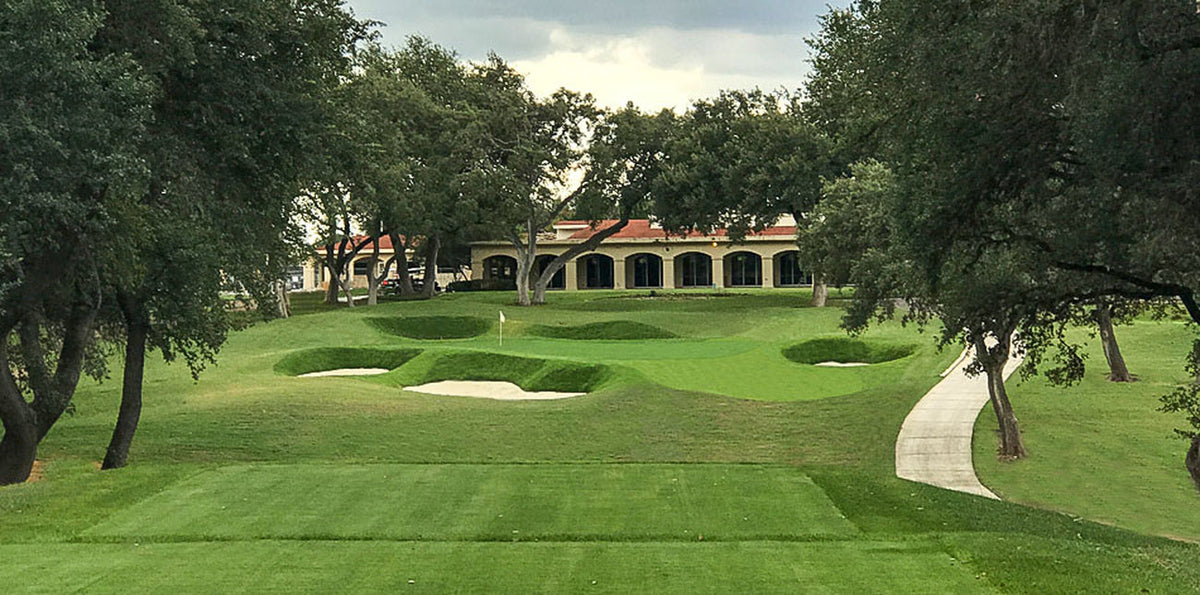
He spent many years playing at Oak Hills Country Club in San Antonio.
For his grandson, the course was also a place where Ringo passed along lessons about the game.
He taught the value of a consistent pre-shot routine, sensible decisions, and the bump-and-run when the shot allowed it.
Those moments are remembered in A Good Day on the Course, another story from The Archive.
But Ringo's relationship with Oak Hills extended beyond playing and teaching.
A November 1974 report in the San Antonio Express identifies Richard Reiner as president of Oak Hills Country Club during a reception welcoming the club's new general manager.
It is a small newspaper detail with considerable significance.
The club that had given Ringo so many enjoyable hours was also an institution he helped lead.
His involvement reflected a relationship with golf that extended beyond his own scorecard.
He was part of the community surrounding the game.
And at one point, he accepted responsibility for helping guide it.
The Man Behind the Positions
A list of positions can tell us where someone served.
It cannot tell us everything about the person.
The newspaper records do not establish whether Ringo was a demanding chairman, a patient listener, or the first man to offer an opinion at a meeting.
We shouldn't pretend they do.
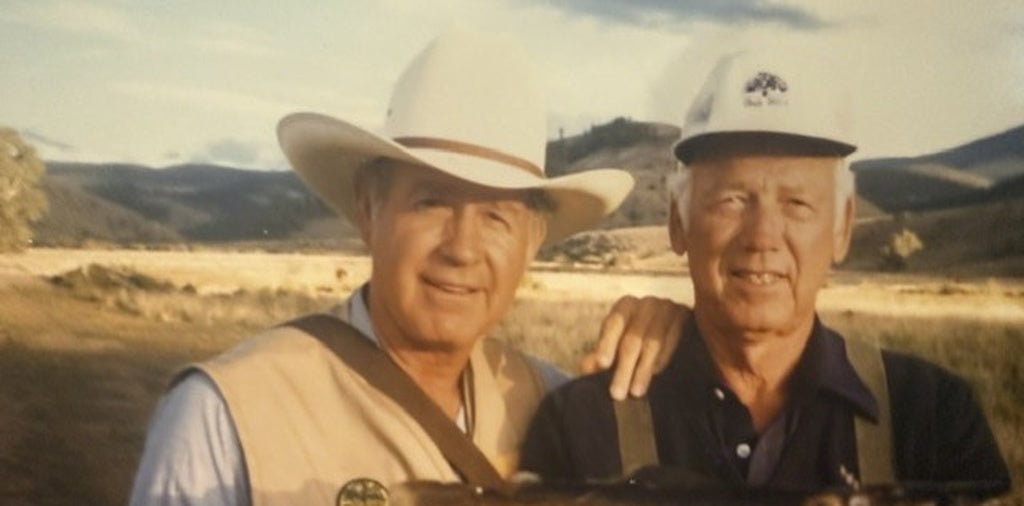
But the family photographs preserve another side of him.
A grandfather teaching his grandson golf.
A man enjoying an afternoon of fishing.
Someone who appreciated a good laugh, a well-made piece of clothing, and an evening overlooking the water in Rockport.
Those memories are not separate from the story of his leadership.
They remind us that the man who accepted public responsibilities also had a full private life.
His sense of humor is captured in A Laugh Worth Remembering, a family story about a golf shot that didn't go quite as planned.
He worked.
He served.
He made time for his family.
And he enjoyed himself along the way.
The Measure of a Man
Ringo's life included military service, professional achievement, and leadership within his community.
The historical record allows us to identify some of those responsibilities with confidence.
What it cannot fully preserve is the effect he had on every person who knew him.
That part of a life is rarely captured in a newspaper.
It survives in family stories, friendships, and the memories people carry forward.
There is something worth appreciating about a man whose life included both responsibility and enjoyment.
He knew the importance of work.
He understood the value of participation.
And he made room for the people and experiences that mattered to him.
The positions he held are part of his story.
The life he lived beyond them is just as important.
Perhaps that is the quietest form of leadership.
Not simply holding a position.
But accepting responsibility while remembering what makes the responsibility worthwhile.
From the Ringo Reiner Archive
Historical note: Contemporary San Antonio newspaper reports identify Richard Reiner as Town Club chairman in February 1958, Kiwanis awards committee chairman in October 1968, and president of Oak Hills Country Club in November 1974. These records establish the positions held but do not independently document his personal leadership style or specific accomplishments in each role. His particular Kiwanis chapter has not been confirmed.
Historical sources: San Antonio newspaper reports dated February 27, 1958; October 11, 1968; and November 29, 1974. Additional biographical context comes from newspaper reporting dated May 27, 1945, and March 7, 1965.